

Customer experience platform | 500+ employees
Customer experience platform | 500+ employees
Customer experience platform | 500+ employees
summary
How Sierra designs with AI
How does a small design team supporting 100+ engineers scale its impact without lowering the bar?
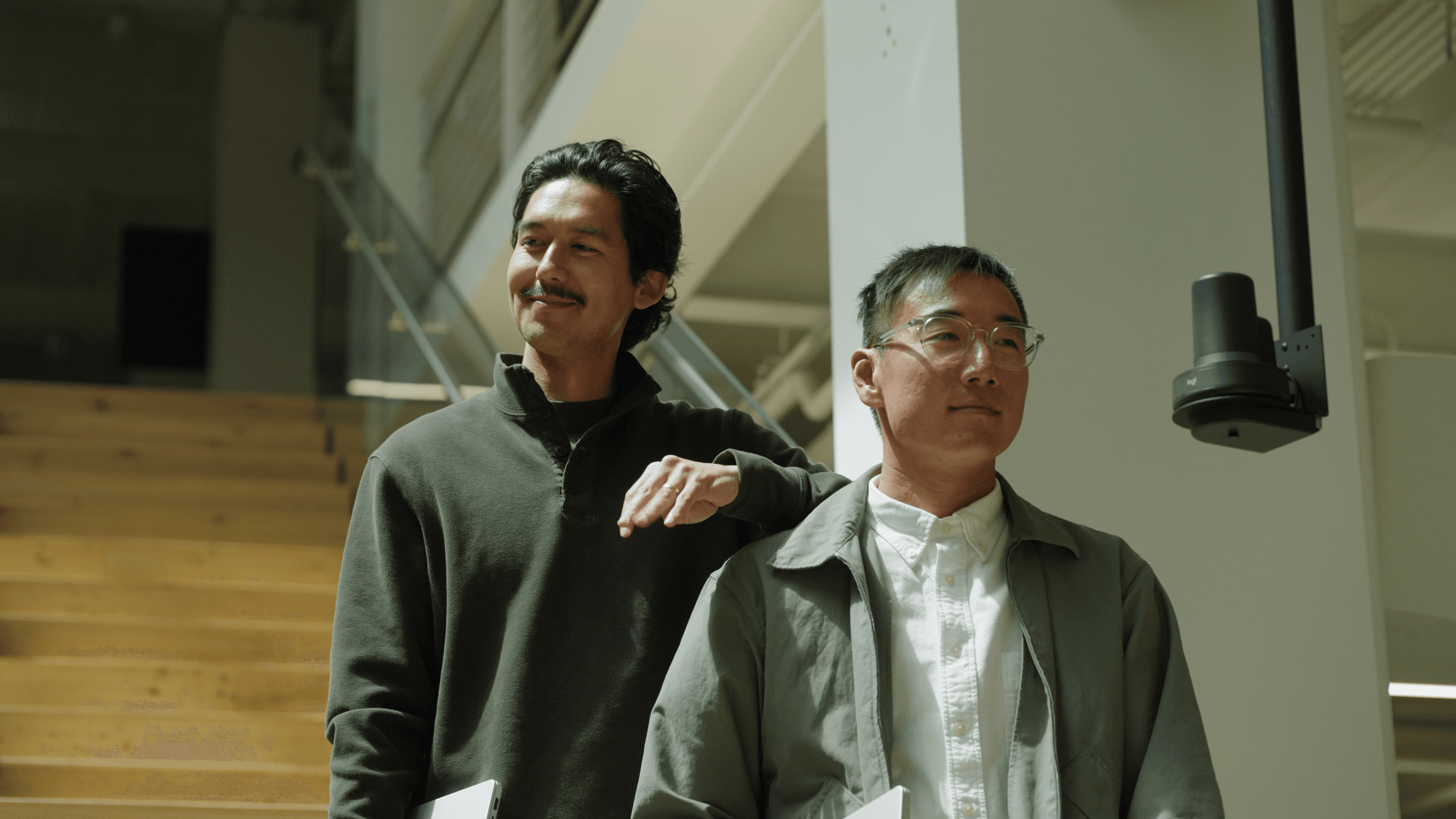
At Sierra, the design team is nearly 20× smaller than the engineering organization it unifies. The company builds a conversational AI platform that enables enterprise brands to deploy autonomous customer experience agents. This operational asymmetry has pushed the team to radically rethink where design creates the highest leverage.
When AI tools can generate, polish, and refine front-end code on demand, a designer's highest-value task is no longer wireframing individual screens. Instead, product designers Wayne Fan and Nick Hiotis have shifted their focus upstream by building the shared structural foundations, data patterns, and flexible components that empower hundreds of engineers to ship high-quality UI independently.
At the same time, they’ve resisted the idea that everything should be automated. While AI has drastically compressed their technical workflows, the team actively resists total automation. They maintain a strict boundary around their craft, intentionally slowing down to sweat the manual details that give a product its personality and soul.
summary
How Sierra designs with AI
How does a small design team supporting 100+ engineers scale its impact without lowering the bar?
At Sierra, the design team is nearly 20× smaller than the engineering organization it unifies. The company builds a conversational AI platform that enables enterprise brands to deploy autonomous customer experience agents. This operational asymmetry has pushed the team to radically rethink where design creates the highest leverage.
When AI tools can generate, polish, and refine front-end code on demand, a designer's highest-value task is no longer wireframing individual screens. Instead, product designers Wayne Fan and Nick Hiotis have shifted their focus upstream by building the shared structural foundations, data patterns, and flexible components that empower hundreds of engineers to ship high-quality UI independently.
At the same time, they’ve resisted the idea that everything should be automated. While AI has drastically compressed their technical workflows, the team actively resists total automation. They maintain a strict boundary around their craft, intentionally slowing down to sweat the manual details that give a product its personality and soul.
summary
How Sierra designs with AI
How does a small design team supporting 100+ engineers scale its impact without lowering the bar?
At Sierra, the design team is nearly 20× smaller than the engineering organization it unifies. The company builds a conversational AI platform that enables enterprise brands to deploy autonomous customer experience agents. This operational asymmetry has pushed the team to radically rethink where design creates the highest leverage.
When AI tools can generate, polish, and refine front-end code on demand, a designer's highest-value task is no longer wireframing individual screens. Instead, product designers Wayne Fan and Nick Hiotis have shifted their focus upstream by building the shared structural foundations, data patterns, and flexible components that empower hundreds of engineers to ship high-quality UI independently.
At the same time, they’ve resisted the idea that everything should be automated. While AI has drastically compressed their technical workflows, the team actively resists total automation. They maintain a strict boundary around their craft, intentionally slowing down to sweat the manual details that give a product its personality and soul.
If we can touch production code more easily with Claude or Cursor, what is a designer's role in trying to empower at scale? Instead of just doing one little pixel at a time, we should build the infrastructure that engineers use to create new features.

Wayne Fan
Product Designer, Sierra
If we can touch production code more easily with Claude or Cursor, what is a designer's role in trying to empower at scale? Instead of just doing one little pixel at a time, we should build the infrastructure that engineers use to create new features.
Wayne Fan
Product Designer, Sierra
If we can touch production code more easily with Claude or Cursor, what is a designer's role in trying to empower at scale? Instead of just doing one little pixel at a time, we should build the infrastructure that engineers use to create new features.
Wayne Fan
Product Designer, Sierra
KEY INSIGHTS
What we learned
01
Small team as an advantage
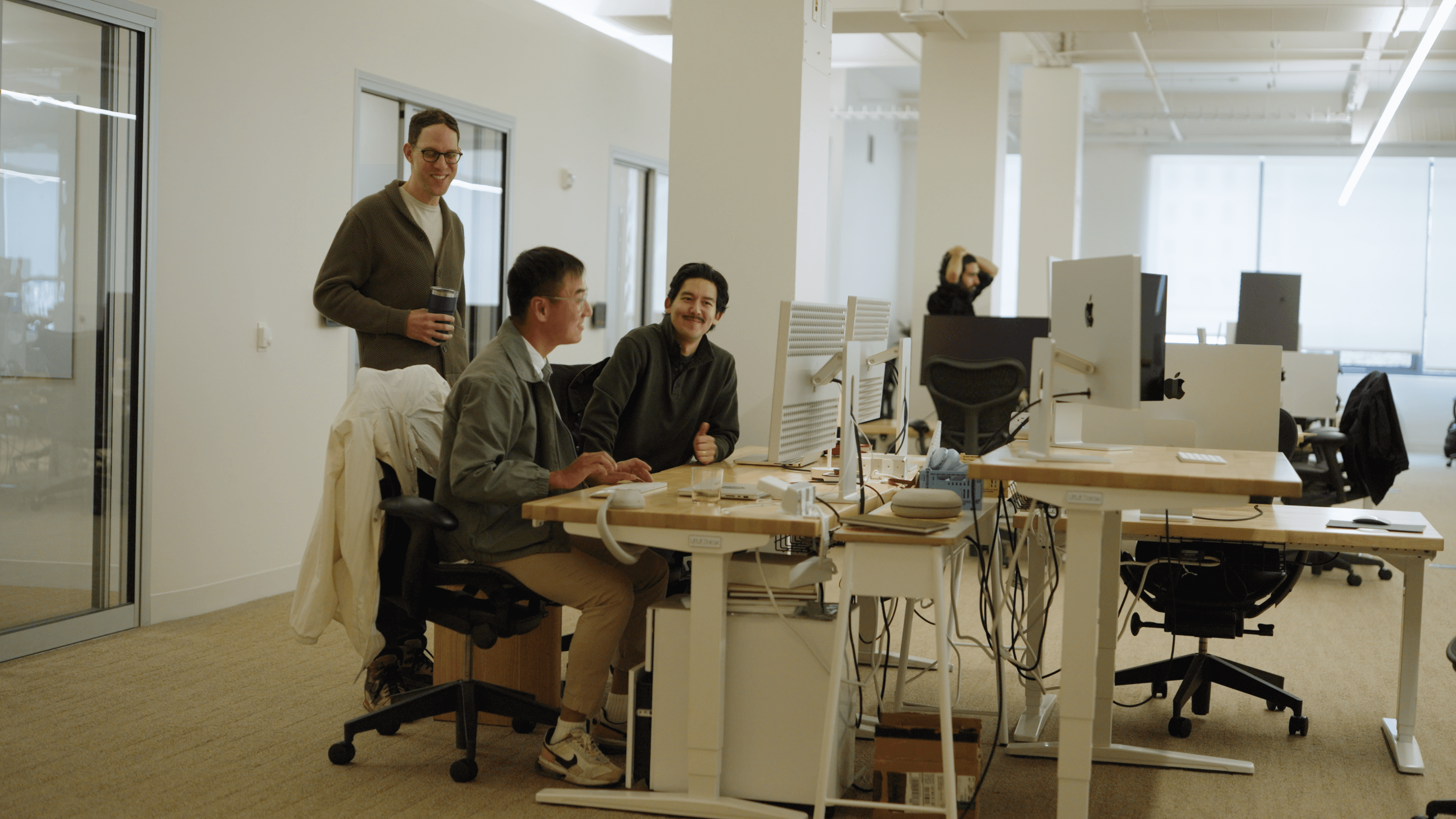
With zero bureaucratic layers to coordinate through, Sierra's designers align and execute instantly. Sitting shoulder-to-shoulder in the office most days, they run a highly collaborative workflow inspired by engineers: "pair designing". They constantly weave in and out of each other's projects, trading hot takes, handing off tasks seamlessly, and jumping fluidly between Figma components and live Cursor prototypes. While a team this lean naturally has a hard ceiling on how deep it can dive into any single isolated feature, it buys immense horizontal speed and the fluid autonomy to iterate instantly across the entire product ecosystem.
02
From pixels to infrastructure
Early on, the team used Claude to polish production code themselves. It worked, but it didn't scale. As Wayne put it, if a small design team hand-finishes work for a hundred engineers, they've simply added another pair of hands instead of raising the quality bar for everyone. So they shifted their attention upstream: building the components, patterns, and systems engineers assemble from. Rather than fixing quality at the end, they embed it at the start.
03
Shorten the loop between idea and reality
Static canvases often fail when exposed to dense, real-world data. To solve this, Sierra replaced the traditional, multi-day design handoff loop with a continuous prototyping cycle. They now use Figma mainly to communicate high-level concepts or rough wireframes, skipping the need to design every version or edge case. From there, they immediately jump into Cursor to build live prototypes connected to actual product environments. What used to be a days-long round trip of building, breaking, and rebuilding is now compressed into a single morning: Cook, prototype, be wrong, go back—all before lunch.
KEY INSIGHTS
What we learned
01
Small team as an advantage
With zero bureaucratic layers to coordinate through, Sierra's designers align and execute instantly. Sitting shoulder-to-shoulder in the office most days, they run a highly collaborative workflow inspired by engineers: "pair designing". They constantly weave in and out of each other's projects, trading hot takes, handing off tasks seamlessly, and jumping fluidly between Figma components and live Cursor prototypes. While a team this lean naturally has a hard ceiling on how deep it can dive into any single isolated feature, it buys immense horizontal speed and the fluid autonomy to iterate instantly across the entire product ecosystem.
02
From pixels to infrastructure
Early on, the team used Claude to polish production code themselves. It worked, but it didn't scale. As Wayne put it, if a small design team hand-finishes work for a hundred engineers, they've simply added another pair of hands instead of raising the quality bar for everyone. So they shifted their attention upstream: building the components, patterns, and systems engineers assemble from. Rather than fixing quality at the end, they embed it at the start.
03
Shorten the loop between idea and reality
Static canvases often fail when exposed to dense, real-world data. To solve this, Sierra replaced the traditional, multi-day design handoff loop with a continuous prototyping cycle. They now use Figma mainly to communicate high-level concepts or rough wireframes, skipping the need to design every version or edge case. From there, they immediately jump into Cursor to build live prototypes connected to actual product environments. What used to be a days-long round trip of building, breaking, and rebuilding is now compressed into a single morning: Cook, prototype, be wrong, go back—all before lunch.
KEY INSIGHTS
What we learned
01
Small team as an advantage
With zero bureaucratic layers to coordinate through, Sierra's designers align and execute instantly. Sitting shoulder-to-shoulder in the office most days, they run a highly collaborative workflow inspired by engineers: "pair designing". They constantly weave in and out of each other's projects, trading hot takes, handing off tasks seamlessly, and jumping fluidly between Figma components and live Cursor prototypes. While a team this lean naturally has a hard ceiling on how deep it can dive into any single isolated feature, it buys immense horizontal speed and the fluid autonomy to iterate instantly across the entire product ecosystem.
02
From pixels to infrastructure
Early on, the team used Claude to polish production code themselves. It worked, but it didn't scale. As Wayne put it, if a small design team hand-finishes work for a hundred engineers, they've simply added another pair of hands instead of raising the quality bar for everyone. So they shifted their attention upstream: building the components, patterns, and systems engineers assemble from. Rather than fixing quality at the end, they embed it at the start.
03
Shorten the loop between idea and reality
Static canvases often fail when exposed to dense, real-world data. To solve this, Sierra replaced the traditional, multi-day design handoff loop with a continuous prototyping cycle. They now use Figma mainly to communicate high-level concepts or rough wireframes, skipping the need to design every version or edge case. From there, they immediately jump into Cursor to build live prototypes connected to actual product environments. What used to be a days-long round trip of building, breaking, and rebuilding is now compressed into a single morning: Cook, prototype, be wrong, go back—all before lunch.
in action
Iconography by hand
Ghostwriter is Sierra's tool for building AI agents. Describe how an agent should behave, and Ghostwriter helps create, test, and improve it. When Sierra's co-founder and CEO Bret Taylor asked for an icon for the tool, Wayne and Nick took the slow path by drawing it by hand. In a world where AI can generate endless options instantly, they wanted to create something that felt distinctly Sierra.
Over a few hours, Wayne and Nick iterated through dozens of possibilities on a tiny 16-by-16 grid. They explored different directions, traded versions back and forth, and refined the motion until the character felt alive. Once they landed on the design, they used Cursor to bring it into the product and animate it to give the ghost subtle movements while it thinks.
We'll still use these tools, but we’re supplementing them with these moments of joy. Otherwise, design could start to feel like a pretty cold relationship where I just describe something, it outputs it, and I pick.

Nick Hiotis
Product Designer, Sierra
The ghost represents the other side of Sierra’s design philosophy. Most of the team’s work is focused on systems and infrastructure that can scale across the product.
But some details are worth making simply because they create connection and personality. The ghost will never help hundreds of engineers ship faster, but it gives the product something people can recognize and rally around. "Having a mascot, a sense of personality, is worth the heartache and the sweating of the pixels," says Nick.
As AI makes building easier, Sierra’s story is a reminder that the details worth obsessing over often aren’t the ones that save the most time. Spending an extra hour drawing something by hand or exploring an unexpected idea might be what turns a functional product into one people love.
in action
Iconography by hand
Ghostwriter is Sierra's tool for building AI agents. Describe how an agent should behave, and Ghostwriter helps create, test, and improve it. When Sierra's co-founder and CEO Bret Taylor asked for an icon for the tool, Wayne and Nick took the slow path by drawing it by hand. In a world where AI can generate endless options instantly, they wanted to create something that felt distinctly Sierra.
Over a few hours, Wayne and Nick iterated through dozens of possibilities on a tiny 16-by-16 grid. They explored different directions, traded versions back and forth, and refined the motion until the character felt alive. Once they landed on the design, they used Cursor to bring it into the product and animate it to give the ghost subtle movements while it thinks.
We'll still use these tools, but we’re supplementing them with these moments of joy. Otherwise, design could start to feel like a pretty cold relationship where I just describe something, it outputs it, and I pick.
Nick Hiotis
Product Designer, Sierra
The ghost represents the other side of Sierra’s design philosophy. Most of the team’s work is focused on systems and infrastructure that can scale across the product.
But some details are worth making simply because they create connection and personality. The ghost will never help hundreds of engineers ship faster, but it gives the product something people can recognize and rally around. "Having a mascot, a sense of personality, is worth the heartache and the sweating of the pixels," says Nick.
As AI makes building easier, Sierra’s story is a reminder that the details worth obsessing over often aren’t the ones that save the most time. Spending an extra hour drawing something by hand or exploring an unexpected idea might be what turns a functional product into one people love.
in action
Iconography by hand
Ghostwriter is Sierra's tool for building AI agents. Describe how an agent should behave, and Ghostwriter helps create, test, and improve it. When Sierra's co-founder and CEO Bret Taylor asked for an icon for the tool, Wayne and Nick took the slow path by drawing it by hand. In a world where AI can generate endless options instantly, they wanted to create something that felt distinctly Sierra.
Over a few hours, Wayne and Nick iterated through dozens of possibilities on a tiny 16-by-16 grid. They explored different directions, traded versions back and forth, and refined the motion until the character felt alive. Once they landed on the design, they used Cursor to bring it into the product and animate it to give the ghost subtle movements while it thinks.
We'll still use these tools, but we’re supplementing them with these moments of joy. Otherwise, design could start to feel like a pretty cold relationship where I just describe something, it outputs it, and I pick.
Nick Hiotis
Product Designer, Sierra
The ghost represents the other side of Sierra’s design philosophy. Most of the team’s work is focused on systems and infrastructure that can scale across the product.
But some details are worth making simply because they create connection and personality. The ghost will never help hundreds of engineers ship faster, but it gives the product something people can recognize and rally around. "Having a mascot, a sense of personality, is worth the heartache and the sweating of the pixels," says Nick.
As AI makes building easier, Sierra’s story is a reminder that the details worth obsessing over often aren’t the ones that save the most time. Spending an extra hour drawing something by hand or exploring an unexpected idea might be what turns a functional product into one people love.


FEATURED SIERRA TEAM MEMBERS
NAME
POSITION
Wayne Fan
Product Designer
Nick Hiotis
Product Designer
FEATURED SIERRA TEAM MEMBERS
NAME
POSITION
Wayne Fan
Product Designer
Nick Hiotis
Product Designer
FEATURED SIERRA TEAM MEMBERS
NAME
POSITION
Wayne Fan
Product Designer
Nick Hiotis
Product Designer
Join the team
Sierra Design
Sierra’s design team is building the future of customer experiences with AI. Working across product, brand, and motion, designers shape everything from the AI agents customers interact with to the tools and systems that help businesses deliver better support. The team is growing globally across San Francisco, London, Singapore, and more.
Join the team
Sierra Design
Sierra’s design team is building the future of customer experiences with AI. Working across product, brand, and motion, designers shape everything from the AI agents customers interact with to the tools and systems that help businesses deliver better support. The team is growing globally across San Francisco, London, Singapore, and more.
Join the team
Sierra Design
Sierra’s design team is building the future of customer experiences with AI. Working across product, brand, and motion, designers shape everything from the AI agents customers interact with to the tools and systems that help businesses deliver better support. The team is growing globally across San Francisco, London, Singapore, and more.
FURTHER READING
FURTHER READING
FURTHER READING
" height="84.64907000000001px" id="LbxKM8inW" transform="translate(0 2.663)" width="84.1602px"/><path d="M 10.28 20.56 C 4.474 20.56 0 15.723 0 10.28 C 0 4.837 4.474 0 10.28 0 C 16.086 0 20.56 4.837 20.56 10.28 C 20.56 15.723 16.086 20.56 10.28 20.56 Z M 1.454 87.307 L 1.454 27.57 L 19.111 27.57 L 19.111 87.307 Z" fill="rgb(247, 246, 244)" height="87.30739914855957px" id="YCbiaWN1B" transform="translate(84.16 0)" width="20.559799999999996px"/><path d="M 10.28 20.56 C 4.474 20.56 0 15.723 0 10.28 C 0 4.837 4.474 0 10.28 0 C 16.085 0 20.559 4.837 20.559 10.28 C 20.559 15.723 16.085 20.56 10.28 20.56 Z M 1.449 87.307 L 1.449 27.57 L 19.106 27.57 L 19.106 87.307 Z" fill="rgb(247, 246, 244)" height="87.30739914855957px" id="zH_XrDBAM" transform="translate(130.715 0)" width="20.558999999999997px"/><path d="M 17.657 61.309 L 0 61.309 L 0 1.571 L 17.657 1.571 L 17.657 9.189 C 21.406 3.383 27.208 0 35.314 0 C 48.977 0 57.323 9.311 57.323 24.427 L 57.323 61.309 L 39.666 61.309 L 39.666 28.539 C 39.666 20.678 35.794 16.203 28.901 16.203 C 22.009 16.203 17.657 21.28 17.657 29.626 Z" fill="rgb(247, 246, 244)" height="61.3085px" id="eiMuoNzTE" transform="translate(158.281 25.999)" width="57.32300000000001px"/><path d="M 28.661 84.649 L 0 84.649 L 0 0 L 28.661 0 C 52.364 0 71.71 18.5 71.71 42.325 C 71.71 66.15 52.364 84.649 28.661 84.649 Z M 28.177 17.055 L 18.141 17.055 L 18.141 67.603 L 28.177 67.603 C 42.202 67.603 53.089 56.359 53.089 42.329 C 53.089 28.299 42.206 17.055 28.177 17.055 Z" fill="rgb(247, 246, 244)" height="84.64903px" id="J8cX6jaQ7" transform="translate(244.497 2.658)" width="71.70999999999998px"/><path d="M 59.374 47.043 C 54.416 56.839 44.742 62.884 31.682 62.884 C 13.06 62.884 0 49.946 0 31.442 C 0 12.938 13.3 0 30.957 0 C 48.614 0 61.43 13.183 61.43 31.922 C 61.43 33.978 61.308 35.428 61.19 36.274 L 17.294 36.274 C 17.901 43.289 24.309 48.366 31.686 48.366 C 38.339 48.366 41.722 45.585 44.507 41.111 L 59.379 47.035 Z M 44.14 24.79 C 43.293 18.382 38.094 13.785 30.839 13.785 C 23.585 13.785 18.023 19.106 17.417 24.79 Z" fill="rgb(247, 246, 244)" height="62.8843px" id="EEhlDLb3Q" transform="translate(319.831 25.999)" width="61.43000000000001px"/><path d="M 19.591 18.259 C 19.591 20.438 21.285 22.009 24.55 22.856 L 32.049 24.79 C 43.294 27.693 49.339 33.861 49.339 42.447 C 49.339 54.42 39.182 62.884 25.274 62.884 C 13.301 62.884 3.99 57.441 0 48.252 L 14.27 40.391 C 16.566 45.35 20.922 48.492 25.397 48.492 C 29.146 48.492 31.682 46.799 31.682 43.896 C 31.682 41.84 29.871 40.268 26.243 39.422 L 19.229 37.728 C 7.862 35.07 2.178 28.902 2.178 19.346 C 2.178 8.102 11.611 0 25.274 0 C 35.554 0 45.105 5.683 48.977 13.907 L 34.585 21.525 C 32.774 17.05 28.902 14.147 25.152 14.147 C 21.887 14.147 19.591 15.841 19.591 18.259 Z" fill="rgb(247, 246, 244)" height="62.8843px" id="Sysofxql0" transform="translate(381.619 25.999)" width="49.339px"/><path d="M 10.28 20.56 C 4.475 20.56 0 15.723 0 10.28 C 0 4.837 4.475 0 10.28 0 C 16.086 0 20.56 4.837 20.56 10.28 C 20.56 15.723 16.086 20.56 10.28 20.56 Z M 1.454 87.307 L 1.454 27.57 L 19.111 27.57 L 19.111 87.307 Z" fill="rgb(247, 246, 244)" height="87.30739914855957px" id="LrgCEFOom" transform="translate(434.219 0)" width="20.560000000000002px"/><path d="M 46.799 51.875 C 43.049 57.319 36.035 60.702 28.177 60.702 C 11.974 60.702 0 47.764 0 30.713 C 0 13.663 12.092 0 28.177 0 C 36.279 0 43.416 3.505 46.799 9.311 L 46.799 1.572 L 64.212 1.572 L 64.212 57.437 C 64.212 76.181 52.243 88.997 31.32 88.997 C 17.173 88.997 6.291 82.951 1.572 73.156 L 15.597 64.814 C 18.862 70.737 24.546 74.125 31.316 74.125 C 40.989 74.125 46.795 68.079 46.795 57.437 L 46.795 51.875 Z M 32.529 15.597 C 24.306 15.597 17.775 22.249 17.775 30.713 C 17.775 39.177 24.306 45.83 32.529 45.83 C 40.753 45.83 47.402 39.177 47.402 30.713 C 47.402 22.249 40.749 15.597 32.529 15.597 Z" fill="rgb(247, 246, 244)" height="88.99680000000001px" id="cXmWLczeW" transform="translate(459.371 26.003)" width="64.21199999999999px"/><path d="M 17.658 61.309 L 0 61.309 L 0 1.571 L 17.658 1.571 L 17.658 9.189 C 21.407 3.383 27.208 0 35.315 0 C 48.977 0 57.324 9.311 57.324 24.427 L 57.324 61.309 L 39.667 61.309 L 39.667 28.539 C 39.667 20.678 35.795 16.203 28.902 16.203 C 22.01 16.203 17.658 21.28 17.658 29.626 Z" fill="rgb(247, 246, 244)" height="61.3085px" id="LrfyMAbTJ" transform="translate(531.802 25.999)" width="57.323999999999955px"/><path d="M 5.072 1.785 L 3.414 1.785 L 3.414 7.163 L 1.659 7.163 L 1.659 1.785 L 0 1.785 L 0 0 L 5.072 0 Z" fill="rgb(247, 246, 244)" height="7.16323px" id="OaxHZC61I" transform="translate(579 0)" width="5.072310000000016px"/><path d="M 3.71 4.317 L 5.583 0 L 7.386 0 L 7.386 7.163 L 5.666 7.163 L 5.666 3.955 L 4.256 7.163 L 3.121 7.163 L 1.72 3.968 L 1.72 7.163 L 0 7.163 L 0 0 L 1.838 0 Z" fill="rgb(247, 246, 244)" height="7.16323px" id="UYYrwHk7B" transform="translate(584.509 0)" width="7.385809999999992px"/></svg>)
" height="45.8152px" id="FYbRQa4AC" width="32.4449px"/><path d="M 19.271 0 C 32.052 0 38.542 11.078 38.542 23.334 C 38.542 35.589 32.052 46.667 19.271 46.667 C 6.49 46.667 0 35.589 0 23.334 C 0 11.078 6.49 0 19.271 0 Z M 19.271 9.109 C 12.651 9.109 9.767 16.188 9.767 23.331 C 9.767 30.474 12.651 37.553 19.271 37.553 C 25.891 37.553 28.775 30.474 28.775 23.331 C 28.775 16.188 25.891 9.109 19.271 9.109 Z" fill="rgb(247, 246, 244)" height="46.667px" id="Y6HS1kBhl" transform="translate(33.749 0)" width="38.5421px"/><path d="M 32.05 14.551 C 32.05 20.253 29.298 24.578 22.416 30.15 C 20.12 31.986 17.958 33.756 16.321 35.066 C 15.336 35.852 14.421 36.574 13.569 37.163 L 32.445 37.163 L 32.445 45.815 L 0 45.815 L 0 38.081 L 17.172 23.334 C 20.842 20.187 22.285 17.828 22.285 15.206 C 22.285 11.537 19.598 9.045 16.124 9.045 C 12.192 9.045 9.701 12.192 9.637 16.713 L 0.132 16.713 C 0.132 6.554 6.424 0 16.124 0 C 25.3 0 32.052 6.031 32.052 14.551 Z" fill="rgb(247, 246, 244)" height="45.8152px" id="LWOhrRaiR" transform="translate(73.078 0)" width="32.44489999999999px"/><path d="M 17.106 45.879 C 7.405 45.879 0 38.866 0 29.428 C 0 25.3 1.507 20.842 4.521 16.188 L 14.943 0 L 26.085 0 L 15.991 14.617 C 17.04 14.158 18.286 14.028 19.268 14.028 C 27.921 14.028 34.212 20.911 34.212 29.301 C 34.212 38.738 26.806 45.884 17.106 45.884 Z M 17.106 22.15 C 12.845 22.15 9.504 25.427 9.504 29.556 C 9.504 33.685 12.847 37.094 17.042 37.094 C 21.237 37.094 24.71 33.751 24.71 29.622 C 24.71 25.494 21.301 22.15 17.108 22.15 Z" fill="rgb(247, 246, 244)" height="45.883838px" id="FYRnnNH_z" transform="translate(105.85 0.789)" width="34.21200000000002px"/></svg>)